Share this story
Here's a little survey.
Ireland, from the Irish Times:
Irish wholesale electricity prices climbed by 19.2 per cent last month compared to February, the Central Statistics Office (CSO) said on Tuesday, confirming previously released industry figures that underlined the extent of the global energy price shock caused by the US-Israel attack on Iran.
U.K., from the Daily Telegraph:
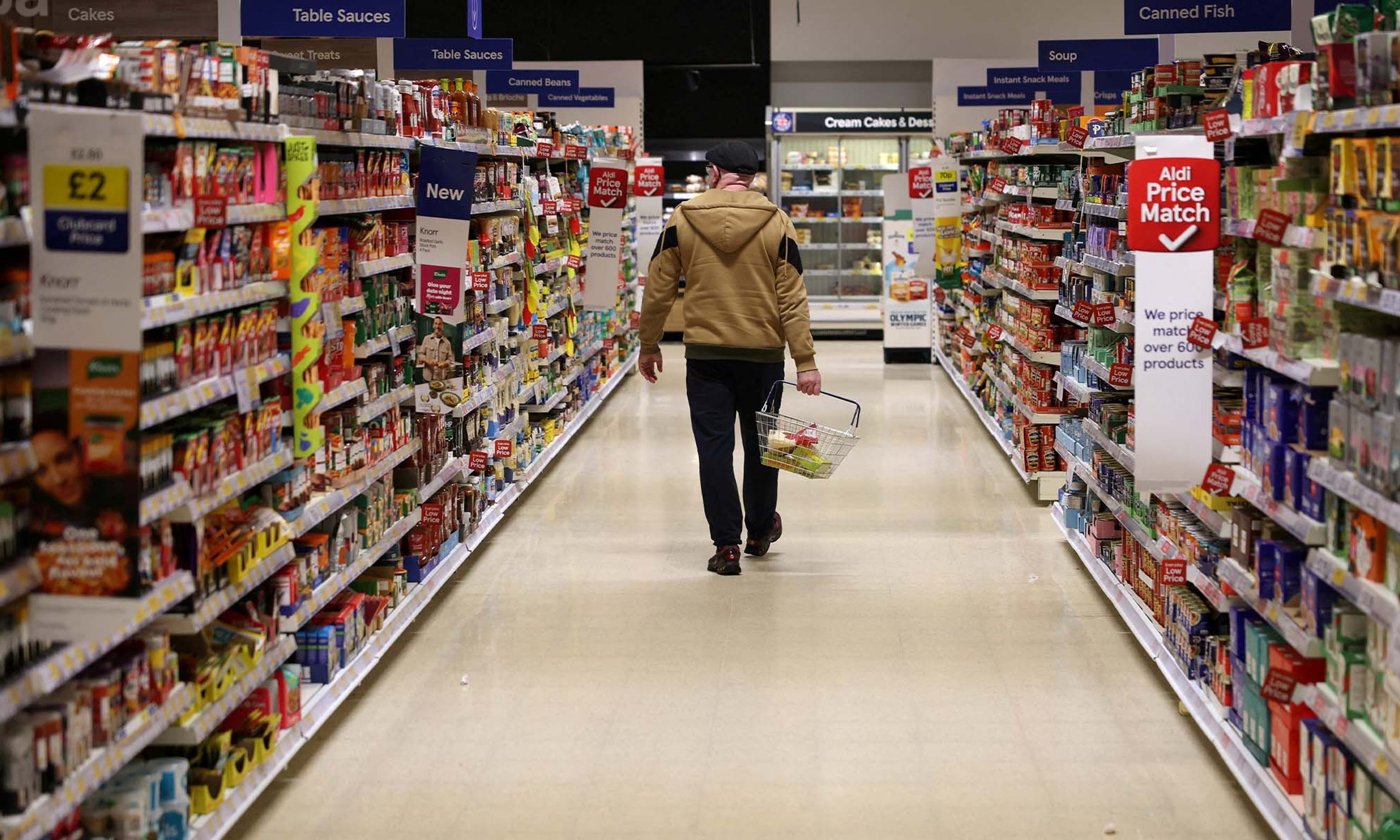
Shoppers have been urged to brace for soaring food prices, as supermarkets warned the “full force” of the war in Iran would hit shelves imminently.
The British Retail Consortium (BRC) said it would “not be long” before the Middle East conflict starts to ripple into higher grocery prices.
Its warning came as separate figures from the Confederation of British Industry (CBI) revealed that retailers were already under significant pressure, making it unlikely they could absorb cost increases.
The CBI survey showed that significantly more retailers were seeing sales fall than rise. The number of those experiencing declines in sales outnumbered those with growing demand by a margin of 68pc.
Germany, from Reuters:
German consumer sentiment is expected to worsen heading into May as households' income expectations have become bleaker in the face of rising inflation, driven higher by the war in Iran and its knock-on effects on energy prices, a survey found on Monday.
The consumer sentiment index, published by the Nuremberg Institute for Market Decisions (NIM) and the GfK market research institute, showed sentiment dropping to −33.3 points for May from a slightly downwardly revised −28.1 in April.
Italy, from Energy Live News:
Italy is already walking a tight fiscal line. This month Rome pledged to cut its budget deficit to 2.9% of GDP in 2026 from 3.1% last year keeping just inside the EU’s 3% ceiling despite a worsening economic backdrop linked to conflict involving Iran.
Prime Minister Giorgia Meloni and Economy Minister Giancarlo Giorgetti have both signalled those targets could be reopened if the energy crisis deepens.
Italy has already spent around €1bn (£860m) cutting fuel duties until 1 May but consumer prices have barely moved.
Tajani described those steps as temporary saying longer term debt funded measures were not the preferred route.
The request underlines how energy security is being recast as a strategic priority on a par with defence. If Brussels agrees it would mark a significant shift in how the EU views the economic impact of energy shocks.
One of the underrated reasons why Viktor Orbán lost his reelection campaign in Hungary is that he was very focused on foreign policy and very proud to boast of his good relations with both Vladimir Putin and Donald Trump. In previous election cycles, this testified to his ability to balance against or with competing powers. This time, it was evidence that he was friends with the two people whose foreign policy was driving European energy prices crazy, and thereby lowering living standards.
How vulnerable are parties like Ireland's Fine Gael and Fianna Fail? The U.K.'s Tories and Labour? France's Renaissance (formerly En Marche)? Very, very vulnerable.

About the Author
Michael Brendan Dougherty is a senior writer at National Review Online.
Featured Tags
Advertisement
Advertisement
Comments