Share this story
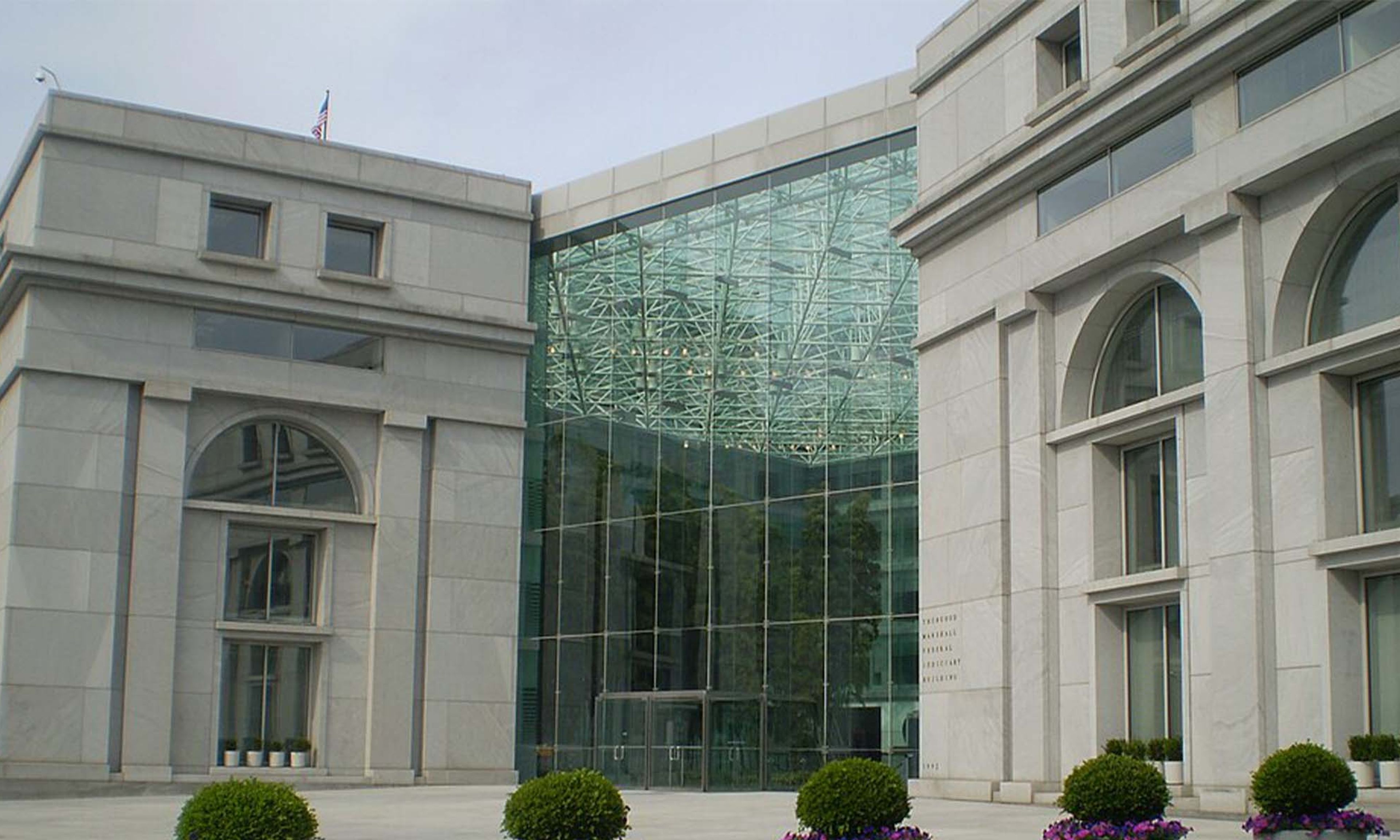
I’ve written before about the Federal Judicial Center (FJC)’s absurd and ethically questionable foray into “climate science” wherein it took the side of the plaintiff bar when it comes to climate lawfare and contested junk science like “attribution theory.” Since then, and following an uprising by state attorneys general, the FJC removed the “climate science” chapter from its version of the Reference Manual for Scientific Evidence, but unfortunately the chapter remains in the version published by the FJC’s coauthor, the National Academies of Science, Engineering, and Medicine (NASEM).
This bifurcated Reference Manual is a problem. The simple fact is that there is still a version of it out there peddling pro-plaintiff propaganda to judges, lawyers, and law clerks. It still has the FJC’s logo and imprimatur; it still has a foreword by Justice Elena Kagan. To see how untenable this situation is, just ask yourself: If you were citing the Reference Manual in a brief, how would you do it? Which of the two versions of the same publication would you use?
This absurdity is why four former attorneys general — Bill Barr, Jeff Sessions, Michael Mukasey, and John Ashcroft — sent a letter to the director of the FJC urging that she demand publicly that NASEM remove the chapter or take the FJC’s logo from the document. Unfortunately the FJC has yet to do so.
Well, it seems to have gotten the attention of Congress. The House is in the midst of the FY2027 appropriations cycle, and the House Appropriations Committee just approved the Financial Services and General Government appropriations bill, which funds the federal judiciary. In it, the House took aim twice at the FJC, and it’s impossible not to see a connection to the Reference Manual.
First, House Appropriations reduced the FJC’s appropriation by over $800,000. While that may not seem like much in the world of federal spending, it is clearly intended to send a message. The federal judiciary had requested a $500,000 increase for the FJC, and instead they lost over 2 percent of their budget. The approved level is over a million dollars less than what the judiciary wanted. Furthermore, in context, only the FJC and the Administrative Office of U.S. Courts got their budgets cut. The regional courts, the Supreme Court, defender services, and court security all received their requested increases. Even the Federal Circuit, Court of International Trade, and Sentencing Commission at least kept their funding levels constant. The numbers don’t lie; House Appropriations targeted the FJC to send a message.
The content of that message can be seen in the approved report language. There, House Appropriations directed the FJC to investigate its own “objectivity.” In particular, “The Committee reminds the FJC that maintaining judicial objectivity is at the core of the U.S. justice system.” To that end, “Guidance or information disseminated by the FJC should not attempt to influence federal judges or the outcome of cases toward a particular party.” That is, don’t do what the Reference Manual did. House Appropriations then directed the FJC to report to the Committee with the efforts it’s taking to “ensure that bias is eliminated from its guidance, public facing, and internal educational materials provided to judges and their staff.”
According to reporting, at least one FJC bureaucrat didn’t want Congress to know about the Reference Manual lest it affect their funding. Well, it seems he was right to be worried. The last place the FJC wants to be is in the crosshairs of federal appropriators.
Perhaps they should consider following the suggestion of the former attorneys general before the Senate has its say in the matter?
About the Author
Michael A. Fragoso is a lawyer in Washington, D.C. and a fellow at the Ethics and Public Policy Center. He previously served as chief counsel to Senator Mitch McConnell and chief counsel for judicial nominations and constitutional law on the Senate Judiciary Committee. He clerked for Judge Sykes from 2014 to 2015.
Featured Tags
Advertisement
Advertisement
Comments